What is Moissanite
Moissanite is a gemstone known for its brilliance and durability, often seen as a popular alternative to diamonds. It’s a silicon carbide crystal that closely resembles diamonds in appearance but is a completely different material.
Origin and discovery of moissanite
Moissanite was first discovered by Nobel Prize-winning scientist Dr. Henri Moissan in 1893 while examining a meteor crater in Arizona. Originally mistaken for diamonds due to its sparkle, it was later identified as a rare mineral not naturally abundant on Earth. Today, moissanite used in jewelry is lab-created to ensure consistent quality and availability.
Key physical and chemical properties
- Chemical composition: Silicon carbide (SiC), making it very hard and heat resistant.
- Hardness: Ranks 9.25 on the Mohs scale, just below diamonds (which score 10).
- Refractive index: Higher than diamond, between 2.65 and 2.69, contributing to its intense sparkle.
- Durability: Very tough and durable for everyday wear, resistant to scratches and chips.
- Color: Often near-colorless, but can show slight yellow or grayish hues depending on the grade.
Popularity in the jewelry market
Moissanite has gained popularity for engagement rings and fine jewelry as a budget-friendly yet attractive alternative to diamonds. Its brilliance and fire make it visually stunning, and advances in lab-grown technology have made it more accessible. Many buyers appreciate moissanite for its ethical sourcing and environmental benefits compared to mined stones.
What is a Diamond
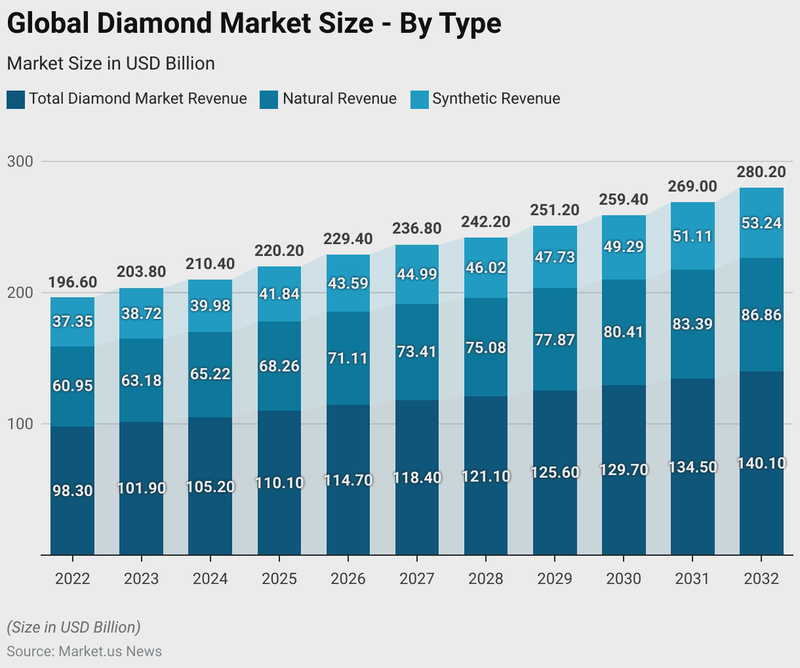
Diamonds form deep within the Earth’s mantle under intense heat and pressure over millions of years. Made of pure carbon arranged in a crystal structure, diamonds are known for their incredible hardness and brilliance. These key characteristics—extreme durability, high refractive index, and unique sparkle—make diamonds stand out in the world of gemstones.
Diamonds have become the go-to choice for fine jewelry, especially engagement rings, due to their timeless appeal and strong cultural significance. They symbolize luxury, commitment, and rarity. Over time, aggressive marketing and industry standards have cemented diamonds as the benchmark for quality and value in gems.
When it comes to price, diamonds generally carry a higher market price than other gemstones, including moissanite. This is driven by their natural rarity and strong demand. Consumers often perceive diamonds as more prestigious and valuable, which affects both cost and resale value.
Visual Differences Between Moissanite and Diamond
When comparing moissanite vs diamond differences visually, a few things stand out right away.
Refractive Index and Brilliance
Moissanite actually has a higher refractive index (2.65–2.69) than diamond (2.42), which means it tends to sparkle more intensely. This gives moissanite a unique brilliance that’s often described as a sharper, almost “disco ball” sparkle, especially under direct light.
Fire Dispersion
Fire refers to the rainbow flashes of color a stone produces when light bends through it. Moissanite has a fire dispersion of 0.104, much higher than diamond’s 0.044. This means moissanite shows more colorful rainbow flashes, while diamonds offer a more subtle, classic twinkle.
Color and Clarity
Diamonds come in a range of colors and can be graded precisely from colorless to light yellow or brown. Moissanite is generally near colorless but can sometimes show a slight warmth or grayish tint under certain lights. Both stones are usually eye-clean, but moissanite’s clarity can look different because of its internal reflections.
Appearance Under Direct and Indirect Light
- Under direct light: Moissanite shines with sharper, multicolored flashes.
- Under indirect light: Diamonds tend to display softer, more natural brilliance.
Because of moissanite’s double refraction, it sometimes creates a doubled facet look when seen under magnification or certain angles, a subtle hint for identifying it.
| Feature | Moissanite | Diamond |
|---|---|---|
| Refractive Index | 2.65–2.69 | 2.42 |
| Fire Dispersion | 0.104 (more rainbow flashes) | 0.044 (subtle sparkle) |
| Typical Color | Near colorless; can show warmth | Wide range from colorless to tinted |
| Clarity | Eye-clean but with double refraction visible | Eye-clean, no double refraction |
| Light Appearance | Sharper, rainbow-like flashes | Softer, natural sparkle |
These visual differences help when deciding between moissanite or diamond for an engagement ring or other jewelry.
Physical and Optical Tests to Differentiate Moissanite from Diamonds
You can tell moissanite from diamonds using some simple tests, especially if you’re buying a ring or jewelry.
Thermal Conductivity Tests
- Diamond testers measure heat flow. Diamonds conduct heat well, giving a positive reading.
- Moissanite also conducts heat but differently, which can sometimes confuse standard diamond testers, causing false positives.
Electrical Conductivity
- Unlike diamonds, moissanite can conduct electricity. Some advanced testers detect this, helping to separate the two.
Magnification and Double Refraction
- Under a jeweler’s loupe or microscope, moissanite shows double refraction—meaning you can see a slight doubling of the facets inside.
- Diamonds don’t show this effect, making this a reliable optical clue.
UV Light Test
- Diamonds often fluoresce blue under UV light.
- Moissanite either shows little to no fluorescence or sometimes different colors, helping you spot the difference.
Specific Gravity and Hardness
| Property | Diamond | Moissanite |
|---|---|---|
| Specific Gravity | 3.52 | 3.22 |
| Mohs Hardness | 10 (hardest mineral) | 9.25 (very hard) |
- While both are tough, diamonds top the hardness scale. Moissanite is close but can be scratched by diamonds.
Durability and Wearability Comparison
When it comes to durability, both moissanite and diamond are strong gems, but there are some differences worth noting.
Mohs Hardness Scale Comparison
| Gemstone | Mohs Hardness Rating |
|---|---|
| Diamond | 10 |
| Moissanite | 9.25 |
Diamonds top the Mohs scale at 10, making them the hardest natural material. Moissanite is close behind with a rating of 9.25, which still makes it very resistant to scratches and everyday damage.
Resistance to Scratching and Chipping
- Diamond: Extremely resistant to scratches and chips due to its hardness and strong crystal structure.
- Moissanite: Very durable but slightly more prone to scratching and chipping under extreme conditions, though it’s tough enough for daily wear.
Long-Term Maintenance Considerations
- Diamond: Requires regular cleaning to maintain brilliance but rarely needs repairs.
- Moissanite: Also low maintenance; it can accumulate surface scratches over many years but is easy to clean and polish.
Overall, both stones handle everyday wear very well, but diamond has a slight edge in hardness and long-term resilience.
Price and Value Differences
When comparing moissanite vs diamond, price is one of the biggest factors. Moissanite is significantly more affordable, often costing 70-90% less than diamonds of similar size and quality. This makes moissanite a popular choice for buyers on a budget who still want a sparkling, durable stone.
| Feature | Moissanite | Diamond |
|---|---|---|
| Average Price per Carat | $300 – $600 | $2,500 – $20,000+ |
| Value Retention | Low to moderate | High |
| Resale Market | Limited | Strong |
| Ethical Sourcing Impact | Usually lab-grown, more ethical | Varies, mined with concerns |
Diamonds hold their value better thanks to strong demand and established resale markets. Moissanite, mostly lab-created, generally doesn’t have the same investment potential or resale demand. However, moissanite benefits from consistent pricing and fewer ethical or environmental concerns related to mining.
Ethical sourcing is another angle where moissanite scores points. Since most moissanite on the market is lab-grown, it avoids issues linked to diamond mining, such as conflict diamonds or environmental damage. This can impact pricing and consumer choice, especially for those prioritizing sustainability.
Overall, moissanite offers great value as a beautiful, cost-effective alternative, while diamonds remain the traditional choice for long-term value and status.
Why Choose Moissanite Over Diamond
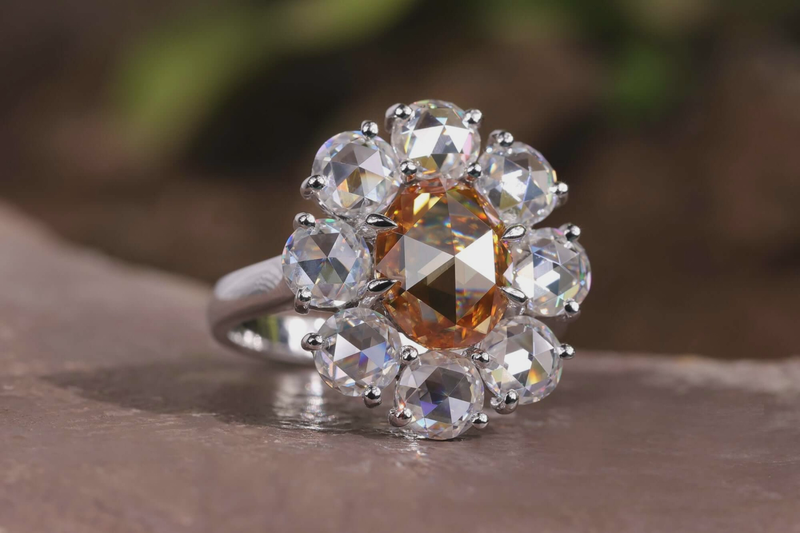
Choosing moissanite over a diamond makes sense for many reasons, especially if you’re looking for a balance between beauty and budget. Here’s why moissanite is an attractive option:
Budget-Friendly with Great Visual Appeal
- Cost: Moissanite costs significantly less than diamonds, often just a fraction of the price.
- Look: It sparkles brilliantly, sometimes even more than diamonds, thanks to its higher refractive index.
- Size for Price: You can get a larger stone without breaking the bank, perfect for those who want noticeable sparkle without the diamond price tag.
Ethical and Environmental Benefits
- Lab-Grown Origins: Most moissanites are lab-created, meaning no mining-related environmental damage or unfair labor practices.
- Sustainability: Choosing moissanite supports ethical sourcing and reduces the carbon footprint tied to traditional diamond mining.
Fits Modern Tastes and Personal Style
- Unique Sparkle: Moissanite’s rainbow-like flashes set it apart from standard diamond sparkle, appealing to those wanting a distinctive look.
- Trendy Choice: It’s gaining popularity in the U.S. market as a modern, stylish alternative, especially among millennials and eco-conscious buyers.
- Versatility: Works well in engagement rings and everyday jewelry, offering durability and style.
| Feature | Moissanite | Diamond |
|---|---|---|
| Price | Much more affordable | Higher cost |
| Sparkle | More fire (rainbow flashes) | Classic sparkle |
| Ethical Sourcing | Mostly lab-grown, eco-friendly | Often mined, environmental concerns |
| Popularity in Trends | Rising in popularity | Traditional favorite |
Why Choose Diamond Over Moissanite
Diamonds have long been seen as the ultimate symbol of luxury, tradition, and lasting value. Choosing a diamond over moissanite often comes down to these key reasons:
Status Symbol and Tradition
Diamonds carry an unmatched prestige, often linked to milestone moments like engagements and anniversaries. They are widely recognized and cherished as symbols of commitment and success.
Certified Grading and Authenticity
Diamonds come with official grading reports from reputable labs like GIA or AGS. This certification ensures clarity, cut, color, and carat weight are accurately described, giving buyers confidence. Moissanite lacks this kind of standardized certification, so some buyers prefer diamonds for verified authenticity.
Investment and Heirloom Potential
Diamonds generally hold their value over time, making them a potential investment. They are often passed down through generations as treasured family heirlooms. Moissanite, while beautiful, typically doesn’t have the same resale value or long-term investment appeal.
| Factor | Diamond | Moissanite |
|---|---|---|
| Status | High prestige and recognized symbol | Growing acceptance but less traditional |
| Certification | Standardized, widely trusted reports | No standardized grading |
| Investment Value | Generally retains or grows value | Lower resale value |
| Heirloom Potential | Strong, often passed down generations | Less traditional for heirlooms |
For those who value tradition, verified quality, and investment potential, diamonds remain the preferred choice.
How to Buy With Confidence Tips for Consumers
When shopping for moissanite or diamonds, buying from reputable sellers is key. Trusted jewelers have a strong track record, clear return policies, and customer reviews you can check. Look for stores that specialize in fine jewelry and have certifications displayed openly.
Always ask for certification and guarantees. For diamonds, this usually means a grading report from labs like GIA or AGS, which confirms the stone’s quality and authenticity. For moissanite, certification from recognized bodies or a guarantee of origin helps ensure you’re getting a genuine stone.
Professional appraisals and verification services are a smart step if you want peace of mind. Jewelers or independent gemologists can confirm whether your stone is a diamond or moissanite and verify its quality. This is especially important if you’re buying high-value pieces or want to know the resale potential.
In , focus on:
- Buying from well-known, reputable jewelers
- Requesting certifications or grading reports
- Using professional verification and appraisals when needed
These steps boost your confidence that you’re making a solid, informed purchase.