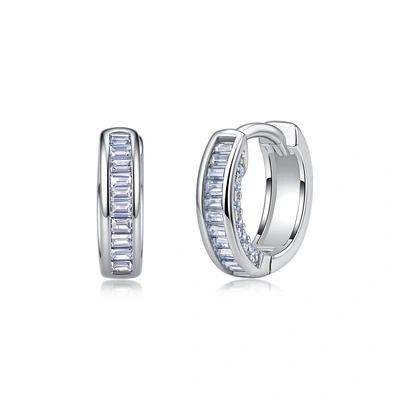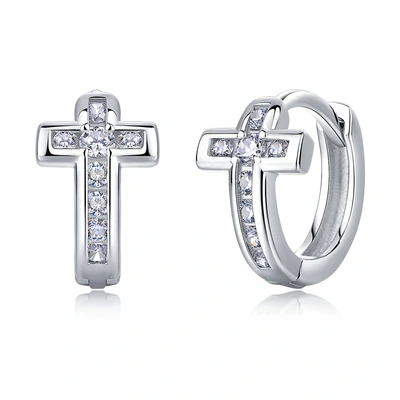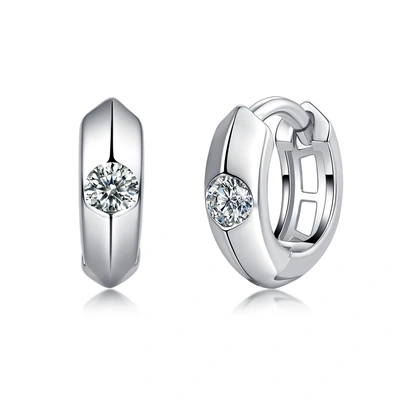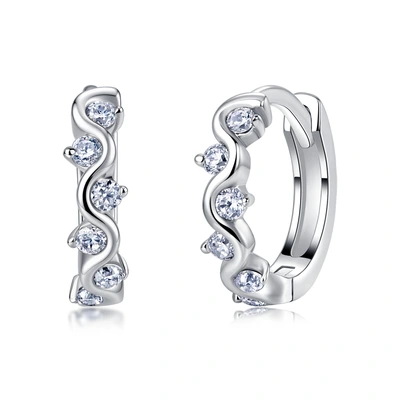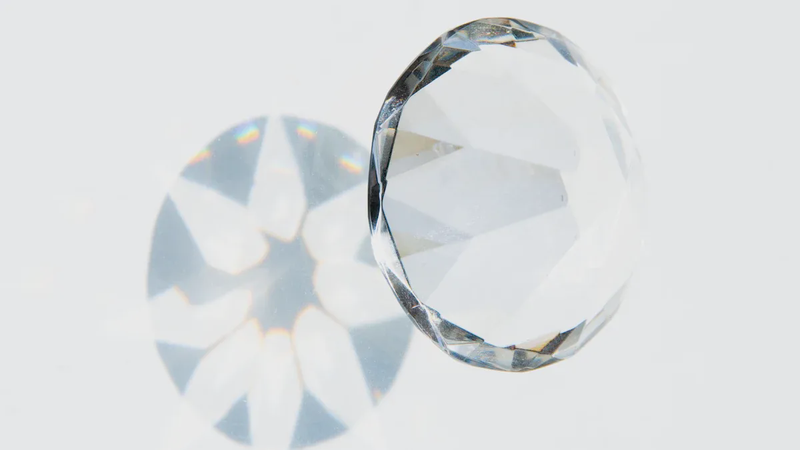
You may ask, is moissanite a real diamond? The answer is no. Moissanite is a special gemstone with its own structure. It has different properties from diamonds. Moissanite is not just a fake stone. It is a diamond simulant with great strength and shine. Jewelers like moissanite for its sparkle and how tough it is. If you pick moissanite, you get a gem with its own spot in fine jewelry.
Table Of Contents
Key Takeaways
Moissanite is a real gemstone with its own special structure. It is not a diamond and it is not a fake stone. Moissanite shines brighter than diamonds. It also shows more colorful sparkle. This makes it very eye-catching. Moissanite is very hard and strong. It is good for jewelry you wear every day, like engagement rings. Moissanite costs much less than diamonds. You can get a bigger or fancier stone for the same money. Choosing moissanite helps support ethical and eco-friendly jewelry. Most moissanite is made in labs and is conflict-free.
Is Moissanite a Real Diamond
Composition and Origin
You might think, is moissanite a real diamond? The answer is no. Moissanite is a special gemstone with its own chemical makeup. Diamonds are made almost all from carbon. Moissanite is made from silicon carbide. This makes each stone look and act differently.
Material | Chemical Composition |
|---|---|
Moissanite | Silicon carbide (SiC), a compound of silicon and carbon |
Diamond | Almost pure carbon (C), typically 99.5% pure carbon with trace elements |
Material | Chemical Formula |
|---|---|
Diamond | C (carbon) |
Moissanite | SiC (silicon carbide) |
Moissanite was first found in 1893 by Henri Moissan. He discovered it in a meteor crater. This story makes moissanite different from diamonds. Diamonds form deep inside the earth. Natural moissanite is very rare, even rarer than diamonds. You almost never find enough natural moissanite for jewelry. That is why most moissanite today is made in labs.
Note: Moissanite is not a fake diamond. It is a real gemstone with its own shine and strength. Many jewelers like moissanite for its sparkle and toughness.
Lab-Grown vs Natural
You may wonder, is moissanite a real diamond if it comes from a lab? The answer is still no. Lab-grown moissanite is still moissanite, not diamond. Scientists make moissanite in labs because natural moissanite is so rare. They use a process called Chemical Vapor Deposition, or CVD. This grows silicon carbide crystals. This way, they can make pretty stones for jewelry.
Lab-grown diamonds are made in two main ways. One is called High-Pressure, High-Temperature, or HPHT. The other is CVD. HPHT copies how diamonds form deep in the earth. CVD grows diamonds one layer at a time from carbon gas. Moissanite only uses the CVD method. It needs different things than diamonds.
Lab-grown moissanite: Made by CVD, using silicon and carbon.
Lab-grown diamond: Made by HPHT or CVD, using only carbon.
Some people say moissanite is just a fake diamond. Others think it will get cloudy over time. These things are not true. Moissanite stays clear and shiny for many years. It does not change color or look cheap. Moissanite can even shine brighter than diamond. Most people cannot tell moissanite from diamond without special tools.
Tip: Moissanite can be certified by trusted labs, just like diamonds. Certification helps you know your gemstone is real.
When you ask, is moissanite a real diamond, remember this. Moissanite is its own gemstone. It has a special story, structure, and beauty. You get a strong, bright stone that is special in fine jewelry.
Moissanite vs Diamond
Appearance and Sparkle
When you put moissanite and diamond next to each other, both look very shiny. Moissanite bends light more than diamond does. Its refractive index is between 2.65 and 2.69. Diamond’s refractive index is 2.42. This means moissanite shines with more brightness and color. You see more rainbow flashes in moissanite. These flashes are called fire. Moissanite’s fire dispersion is 0.104. Diamond’s fire dispersion is only 0.044. So, moissanite sparkles with more colors, almost like fireworks.
Property | Moissanite | Diamond |
|---|---|---|
Refractive Index | 2.65 - 2.69 | 2.42 |
Fire Dispersion | 0.104 | 0.044 |
Sometimes, moissanite shows a double image if you look closely. This happens because it is doubly refractive. Diamonds do not do this. They are singly refractive. Both stones are pretty, but moissanite’s sparkle is brighter and more colorful.
Hardness and Durability
You want your jewelry to last a long time. Diamond is the hardest thing on earth. It has a Mohs hardness of 10. Moissanite is also very hard. It scores 9.25 on the Mohs scale. This means moissanite does not scratch easily.
Material | Mohs Hardness Rating |
|---|---|
Diamond | 10 |
Moissanite | 9.25 |
Moissanite is also tough. It does not break or chip easily. Diamond is harder, but moissanite is still strong for rings and other jewelry. If you take care of them, both stones stay shiny and nice for many years.
Value and Price
Moissanite costs less than diamond. For the same size, moissanite is much cheaper. A 1-carat moissanite can cost between $269 and $1,405. A 1-carat diamond can cost $4,000 or more.
Carat Size | GIA Certified Diamond (I-color, VS2) | Classic Moissanite | Near Colorless Moissanite | Forever One Colorless Moissanite |
|---|---|---|---|---|
0.5 | $1,100+ | $89 | $243 | $269 |
1.0 | $4,000+ | $269 | $539 | $599 |
1.5 | $10,000+ | $449 | $945 | $1,049 |
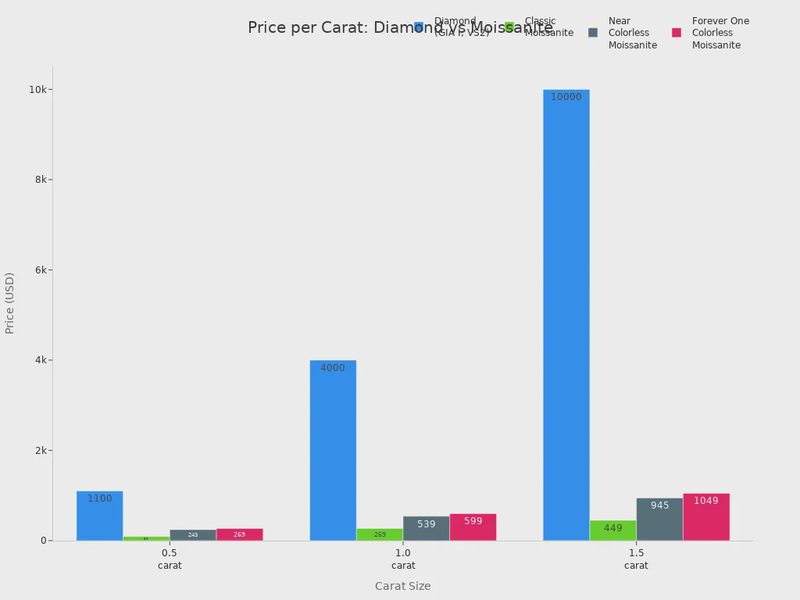
Diamonds usually sell for more money later because people want them. Moissanite is cheaper to buy, but you also get less money if you sell it. You might get back 25% to 75% of what you paid for moissanite. For diamonds, you might get back 25% to 50%. Both lose value after you buy them, but moissanite’s lower price means you lose less money.
Tip: If you want a big, shiny stone for less money, moissanite gives you more sparkle for your budget.
How to Tell the Difference
Visual Clues
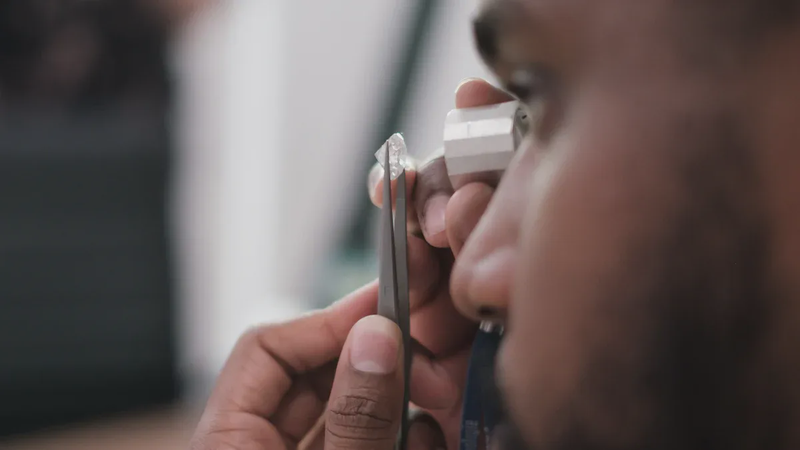
You can see some ways moissanite and diamond are not the same. Moissanite shines with more rainbow colors than diamond. This shine is called fire. If you look at moissanite with a loupe or microscope, you might see double lines. This is called double refraction. It makes the edges look like there are two of them. Diamonds only show single lines. Moissanite also looks brighter and has more colors in the light. These clues help you figure out if a stone is moissanite or diamond.
Moissanite has more fire and shines brighter than diamond.
Double refraction in moissanite makes the edges look doubled.
Diamonds do not have this doubling effect.
Tip: Using a loupe works best if you know what to look for. For most people, these clues help but may not give a sure answer.
Testing Methods
There are a few ways to test if a stone is moissanite or diamond. Basic diamond testers check how well heat moves through the stone. Moissanite lets heat move almost like diamond does. So, simple testers might not work well. Better testers check both heat and electricity. Moissanite can carry electricity, but diamonds usually cannot. Some testers use UV light to make the test better. Experts often use tools that do all these tests together for quick and good results.
Thermal testers: Not always right for moissanite.
Electrical testers: Moissanite carries electricity, diamonds usually do not.
UV testers: Use ultraviolet light for better results.
Multi-testers: Use many tests at once for the best answer.
Note: No tester is perfect. Some rare diamonds can carry electricity, and some moissanite stones do not. For expensive stones, always ask an expert for help.
Common Misconceptions
Many people believe things about moissanite that are not true. Some think moissanite is just a fake diamond, but it is its own gemstone. Others worry moissanite is not strong, but it is very hard and good for daily wear. Some people say moissanite is not ethical, but most moissanite is made in labs and is better for the planet than mined diamonds. Ads can make things confusing. Sellers sometimes use words like "simulated diamond" or "moissanite diamond," which can make it hard to know what you are buying. Always check for clear labels and certification.
Moissanite is not a fake diamond; it is a real gemstone.
Moissanite is strong and good for everyday jewelry.
Lab-grown moissanite is better for the planet than many mined diamonds.
Confusing words in ads can trick buyers.
Always buy from trusted sellers and ask for certification so you know what you are getting.
Pros and Cons of Moissanite
Advantages
When you pick moissanite for jewelry, you get many good things. Moissanite shines very brightly and is tough. It sparkles even more than diamond. Its high refractive index makes it look like a rainbow. Moissanite does not scratch or chip easily. This makes it great for everyday use. Many people see their moissanite rings stay shiny for years, even with daily wear.
Moissanite is made in labs, so it does not hurt the earth like mining.
You spend much less on moissanite than on a diamond of the same size, sometimes up to 90% less.
Its hardness of 9.25 on the Mohs scale means it lasts a long time.
Moissanite fits many ring styles, so you have more choices.
You get a gemstone that is conflict-free and matches modern values.
Tip: Moissanite costs less, so you can pick a bigger or fancier ring without spending too much.
Drawbacks
Moissanite has some downsides too. Its sparkle looks different from diamond. The rainbow flashes, called fire, are brighter and more colorful. Some people like the plain white sparkle of diamond better. Moissanite can also show double refraction. This makes the edges look doubled under a magnifier. Experts use this to tell it apart from diamond.
Moissanite may not sell for as much as diamond if you want to resell it.
Some people still think moissanite is just a copy of diamond, not a fancy stone.
The special sparkle may not be for everyone.
Note: If you clean moissanite gently and avoid strong chemicals, it will keep shining.
Ethical Factors
Picking moissanite is an ethical choice. Lab-grown moissanite does not cause the problems that come with diamond mining. Diamond mining can hurt forests, pollute water, and put workers in danger. Making moissanite uses less water, makes less waste, and does not harm the earth. You help support fair work and a clear supply chain.
Many people, especially younger buyers, want jewelry that matches their beliefs. Moissanite is conflict-free and good for the planet. This is important to people who care about where their jewelry comes from. You can trust your stone does not support bad actions or unsafe jobs.
Choosing moissanite means you help make the jewelry world cleaner and better, while still getting a pretty and strong gemstone.
You now know moissanite is not a diamond. Moissanite is its own gemstone. It is strong, shiny, and good for the planet. Here are the main ways they are different:
Feature | Moissanite | Diamond |
|---|---|---|
Durability | 9.25 Mohs | 10 Mohs |
Brilliance & Fire | More colorful | Classic sparkle |
Price | More affordable | Higher cost |
Sourcing | Lab-grown, ethical | Often mined |
When you pick jewelry, think about your money, style, and what matters to you. Moissanite gives you a pretty look, lasts a long time, and feels good to wear. Choose the stone that makes you feel happy.
FAQ
Is moissanite considered a fake diamond?
Moissanite is not a fake diamond. It is a real gemstone with its own special structure. Moissanite has its own beauty. Jewelers like moissanite because it shines and is strong. They do not see it as just a copy.
Will moissanite get cloudy or lose its sparkle over time?
You do not have to worry about moissanite getting dull. Moissanite stays bright and shiny for a long time. If you clean it often, it will keep looking new.
Can you tell moissanite from diamond with the naked eye?
Most people cannot spot the difference without help. Moissanite has more rainbow colors than diamond. It also shows double lines if you look very closely. Experts use special tools to be sure.
Is moissanite suitable for engagement rings?
Moissanite works well for engagement rings. It does not scratch or chip easily. This makes it good for wearing every day. Many couples pick moissanite because it looks nice and costs less.
Does moissanite have resale value?
Moissanite can be sold again, but not for as much as diamond. You might get back 25% to 75% of what you paid. Its lower price makes it a smart choice for saving money.