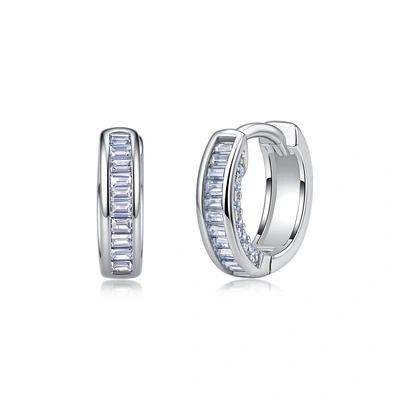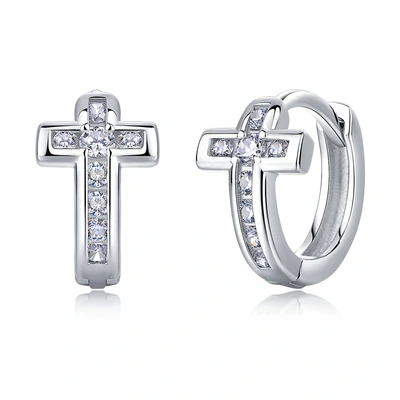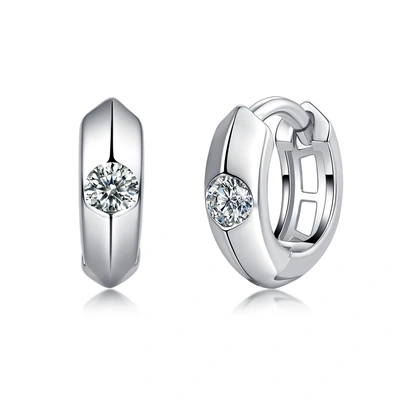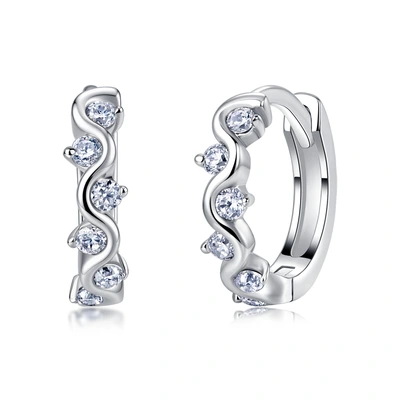
You might ask why vvs moissanite is special. This gemstone is known for being very clear. VVS means "Very Very Slightly" included. You can only see small flaws with a strong magnifying glass. The stone looks perfect when you look at it normally. Lab experts make vvs moissanite, so it shines like a diamond. Many people pick it for nice jewelry because it looks great and is high quality.
Table Of Contents
Key Takeaways
VVS moissanite has almost no flaws you can see. It looks almost perfect to your eyes. Moissanite shines brighter than diamonds. It has colorful sparkles and is very strong. You can wear it every day. Lab-made moissanite is good for the environment. It costs much less than diamonds. It still looks very pretty. VVS moissanite and diamonds look alike. But moissanite shows more rainbow colors. It also weighs more than diamonds. Clean your moissanite jewelry with soap and water. Do it gently to keep it shiny. This helps it last a long time.
What Is Moissanite?
Origins
Moissanite has an interesting history. In 1893, Dr. Henri Moissan found it in a meteorite crater in Arizona. He first thought it was a diamond because it sparkled so much. Later, scientists learned it was a new mineral called silicon carbide. They named it moissanite after Dr. Moissan. Natural moissanite is very rare on Earth. Most of it comes from space rocks or deep inside the planet. Because it is so hard to find, almost all moissanite in jewelry is made in labs. In the 1990s, experts figured out how to make gem-quality moissanite in a lab. Charles & Colvard was the first company to sell these stones. This made moissanite easy to buy and not too expensive for people who love jewelry.
Note: Lab-grown moissanite is a good choice if you care about the planet. It does not need mining and does not hurt nature.
Features
Moissanite is special because of how it looks and acts. It shines and sparkles even more than diamonds. Its chemical makeup is silicon carbide, but diamonds are made of carbon. This makes moissanite bend light more and show more colors.
Property | Moissanite (Silicon Carbide) | Diamond (Carbon) | Ruby | Sapphire | Emerald |
|---|---|---|---|---|---|
Chemical Composition | Silicon Carbide (SiC) | Carbon (C) | N/A | N/A | N/A |
Crystal Structure | Silicon Carbide lattice | Carbon crystal lattice | N/A | N/A | N/A |
Refractive Index (RI) | 2.65 - 2.69 | 2.42 | 1.77 | 1.77 | 1.58 |
Fire Dispersion | 0.104 | 0.044 | 0.018 | 0.018 | 0.014 |
Hardness (Mohs Scale) | 9.25 - 9.5 | 10 | 9 | 9 | 7.5 |
Toughness | Excellent | Good to Excellent | Excellent | Excellent | Poor to Good |
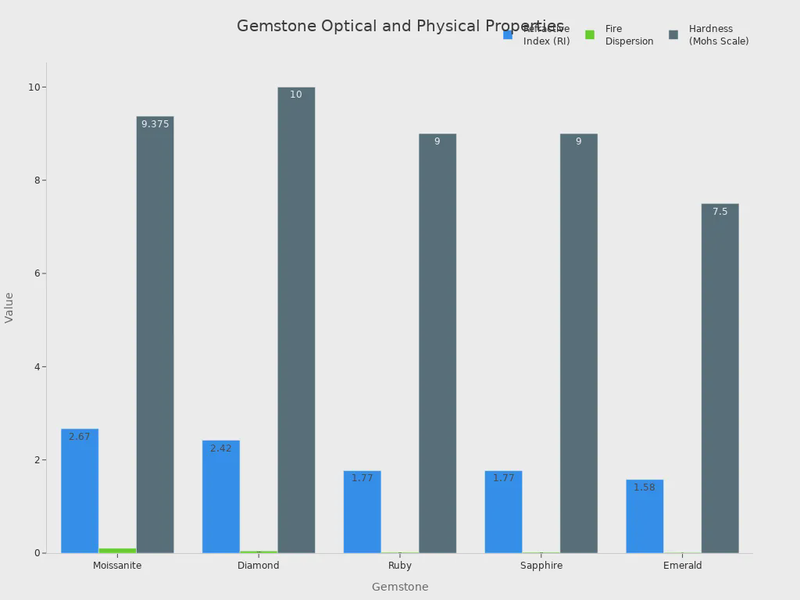
Moissanite’s fire dispersion is more than twice as much as diamond. This gives it a rainbow shine, especially in bright places. Moissanite is also very hard, with a Mohs score of 9.25. This means you can wear it every day. Some stones might look a little yellow or green, mostly if they are big. Moissanite is heavier than diamond, so the same size stone will weigh more.
Key features you will notice:
Bright rainbow sparkle
Very strong and tough
Some stones have a bit of color
Good for the planet and made in labs
Moissanite is a great pick for new jewelry because it is pretty, strong, and made in a way that is good for the earth.
VVS Moissanite Clarity
Clarity Grades
Clarity shows how clean a gemstone is. Experts look for tiny marks called inclusions and blemishes. They use a 10x magnifying glass to see these marks. Moissanite uses the same clarity scale as diamonds. The grades are Flawless (FL), Internally Flawless (IF), Very Very Slightly Included (VVS1 and VVS2), Very Slightly Included (VS1 and VS2), Slightly Included (SI1 and SI2), and Included (I1, I2, I3).
Certified vvs moissanite has marks so small you cannot see them. Even with a magnifying glass, these marks are hard to spot. This high grade means the stone looks almost perfect.
Common inclusions in moissanite are:
Needles (thin lines)
Mineral crystals (tiny crystals inside)
Clouds (milky spots)
Feathers (small cracks)
Knots, chips, and holes
These inclusions are rare in vvs moissanite. If they are there, they do not change how the stone looks or how strong it is.
VVS1 vs VVS2
You may wonder what makes VVS1 and VVS2 different. Both have very, very small inclusions. The difference is in how many marks there are and how easy they are to see with a 10x magnifier.
Clarity Grade | Description |
|---|---|
FL, IF | Flawless and internally flawless |
VVS1, VVS2 | Very, very slightly included |
VS1, VS2 | Very slightly included |
SI1, SI2 | Slightly included |
I1, I2, I3 | Included |
VVS1 moissanite has fewer or smaller marks than VVS2. Both look almost perfect to the eye. You will not see any marks without special tools. Jewelers use their skills to find these tiny marks, but both grades look beautiful to most people.
Visual Perfection
VVS moissanite is known for looking perfect. The stone looks clear and bright. The tiny inclusions do not stop light or make it less shiny. The stone keeps its sparkle and shines in any light.
You will see:
No marks or spots you can notice
Bright, colorful sparkle
A clean and pure look
The inclusions in vvs moissanite are so small they do not change how the stone shines or looks. You get a gemstone that reflects light well, which is great for fine jewelry.
When you pick vvs moissanite, you get a stone that looks almost perfect. Its clarity helps it stay beautiful and valuable. This makes it a great choice for anyone who wants a fancy and classic piece.
VVS Moissanite vs Diamonds
Appearance
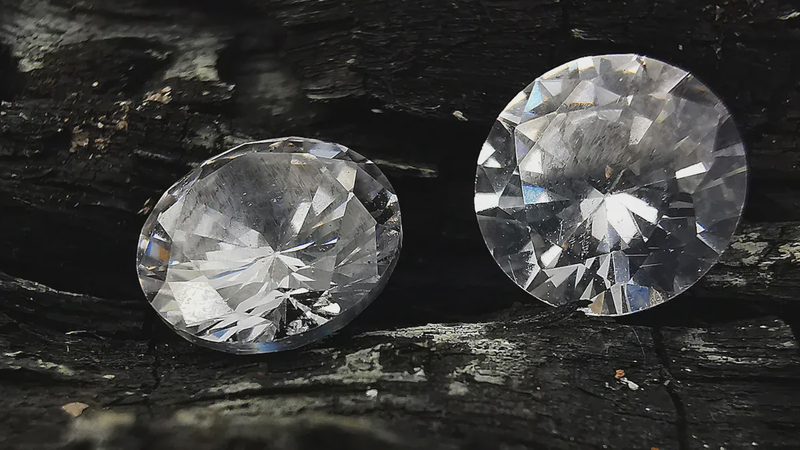
When you look at vvs moissanite and diamonds, both are beautiful. They both shine, but not in the same way. Moissanite bends light more than diamond. This makes moissanite sparkle with more colors. You might see rainbow flashes, like a disco ball, especially in big stones or bright lights. Diamonds shine with more white light. Their shine looks sharp and clear, but has less color than moissanite.
VVS moissanite is special because it is very clear. You will not see any marks with your eyes. The stone looks bright and perfect. Diamonds with VVS clarity also look very clean, but they cost a lot more. Most people cannot tell the difference between the two when they are in jewelry.
Tip: If you want a stone that sparkles with lots of color, moissanite is a good pick. If you like a classic, white shine, diamond might be better for you.
Value
VVS moissanite gives you more for your money. The price is much lower. For example, a 1-carat vvs moissanite costs about $600 to $1,200. A diamond the same size and clarity can cost $5,000 or more. If you want a bigger stone, you save even more. A 2-carat vvs moissanite costs about $1,200 to $1,500. A diamond that size can cost over $10,000. Moissanite also looks bigger than a diamond of the same weight because it is heavier.
Stone Type | 1-Carat Price (USD) | 2-Carat Price (USD) |
|---|---|---|
VVS Moissanite | $600 – $1,200 | $1,200 – $1,500 |
VVS Diamond | $5,000+ | $10,000+ |
You should know moissanite does not keep its value. If you buy it, you will not get much money if you sell it later. Diamonds cost more, but you can sell them for some money if you want. This matters if you think of your jewelry as an investment.
Note: Moissanite is pretty and not expensive, but it is not good for saving value like a diamond.
Testing
You might wonder how jewelers tell vvs moissanite from diamonds. Both look almost the same, so experts need special tools. Here are the main ways they test these stones:
Thermal Conductivity Test: Jewelers use a pen tool to check how the stone moves heat. Both moissanite and diamond move heat well, so this test does not always work.
Magnification Check: Under a microscope, moissanite shows double lines. You might see a fuzzy or doubled point at the bottom. Diamonds show one sharp point.
Certificate Inspection: Diamonds often have a number on the edge. Moissanite usually does not have this.
Advanced Lab Tests: For lab-grown diamonds or hard cases, experts use lasers and other special tests.
If you use a simple diamond tester, moissanite can sometimes seem like a diamond. Only trained experts with the right tools can always tell them apart.
Benefits and Care
Advantages
If you pick vvs moissanite, you get many good things. This stone shines very brightly, sometimes even more than diamonds. You can make special jewelry because moissanite comes in many shapes and sizes. The stone does not scratch easily and stays shiny for a long time. Since it is made in a lab, you help the planet and support fair work. You also spend less money because moissanite costs much less than diamonds or other gems.
Strong and lasts for daily use
Good for the earth and made fairly
Looks fancy but costs less
Many ways to design your own piece
Attribute | Moissanite | Sapphires, Rubies, Emeralds |
|---|---|---|
Affordability | Costs less | Costs more |
Brilliance | Very bright and sparkly | Less sparkle, more color |
Durability (Mohs) | 9.25 | 7.5–9 |
Ethical Impact | Made in labs, better for nature | Often mined, can hurt the earth |
Visual Quality | Very clear, almost no color | Often has marks inside |
Care | Easy to clean and care for | Emeralds need more careful cleaning |
Lab-made moissanite does not hurt the earth and helps workers.
Jewelry Selection
Think about a few things when you choose vvs moissanite jewelry. Look at carat, cut, color, and clarity. Carat changes the size and price. The cut makes the stone shine more or less. Color can be clear or have a little tint. VVS1 and VVS2 mean the stone looks almost perfect. Always check if a trusted lab, like GIA or IGI, certified it. Moissanite is tough, so it is great for rings, necklaces, and earrings you wear every day.
Popular styles are:
Solitaire: Shows off how clear and shiny the stone is.
Halo: Adds more sparkle with small stones around the main one.
Pavé: Has lots of tiny stones for extra shine.
Bezel: Keeps the stone safe with a metal edge.
Three-stone: Puts two small stones next to the main one.
Maintenance
To keep your jewelry nice, follow these easy steps:
Let it soak for about 20 to 30 minutes.
Use a soft toothbrush to clean around the stone.
Rinse with warm water and dry with a soft cloth.
Keep jewelry in soft bags or in its own spot.
Have a jeweler check and clean it once a year.
Always clean gently to keep the stone and metal safe.
Now you know why many people pick this gemstone for jewelry.
You get a stone that looks almost perfect and shines bright.
You can have fancy jewelry without paying diamond prices.
You help the earth by choosing something made in a lab.
Feature | Benefit |
|---|---|
Sparkle & Clarity | Looks almost perfect and shines a lot |
Durability | Strong enough for everyday use |
Ethical Sourcing | Made in labs and good for the planet |
Value | Looks fancy but costs less |
Pick a classic stone that gives you beauty, good value, and makes you feel good about your choice.
FAQ
What does VVS mean in moissanite?
VVS means "Very Very Slightly" included. These stones have almost no flaws. Jewelers use a strong magnifier to see tiny marks. The gemstone looks perfect to your eyes.
Can you tell moissanite from diamond with your eyes?
You cannot tell them apart just by looking. Both stones shine a lot. Moissanite has more rainbow colors. Most people need special tools to see the difference.
Does VVS moissanite lose its sparkle over time?
No, VVS moissanite stays shiny for many years. It does not fade or get dull. Clean your jewelry often to keep it bright.
Is VVS moissanite a good choice for engagement rings?
Yes, it is a strong and pretty stone. VVS moissanite does not scratch or chip easily. You save money and pick a stone that is good for the earth.
Tip: Always look for a certificate when you buy VVS moissanite. This helps you get a top-quality stone.